



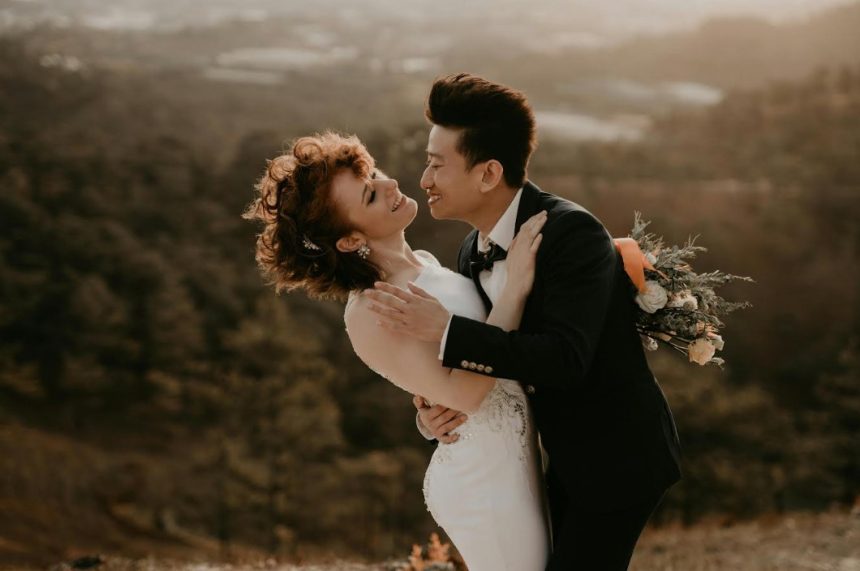
A destination wedding carries a certain magic. The setting is part of the story: the salt in the air, the warmth of late afternoon light, the sound of gravel or sand underfoot. But beyond the romance, there is reality. The dress has to function in that environment. It has to breathe, move, travel well, and still feel special hours into the celebration.
A gown chosen for a ballroom will not always behave the same way on a beach or in a hillside garden. Heat changes fabric. Wind changes posture. Even the length of a walk from the preparation suite to the ceremony space can influence what feels manageable. Style decisions become practical decisions very quickly.
Recent reporting from Vogue notes a continued rise in intimate, location-driven weddings, with couples prioritising experience over scale. That shift is influencing bridal wear in subtle but important ways. Brides are thinking beyond the photograph. They are thinking about comfort during the vows, ease during dinner, and confidence while greeting every guest face-to-face.
Dressing for the Actual Climate
It is easy to fall in love with a fabric under showroom lighting. It is different to stand in direct sun for forty minutes. In warm areas, lightweight fabrics like crepe, chiffon, and mixes of soft silk typically work well. They facilitate airflow and breathing and lessen the weight that may subtly build over the day.
Respect should be given to humidity. Although they may seem luxurious at first, thick satin and thickly layered skirts might feel constricting in the great outdoors. Intentional structure and breathable lining are more important than dramatic volume.
Wind also shapes the experience. A flowing veil can look cinematic along a coastline, yet it needs secure placement and balanced design to avoid distraction. Structure should support posture without restricting breath or movement.
In cooler destinations, weight can work beautifully. Textured fabrics and subtle layering complement stone architecture or autumn landscapes. Still, movement remains key. Cobblestone paths and garden steps require gowns that allow steady, comfortable walking. Seam placement, internal support, and flexible boning quietly determine whether elegance lasts through the entire evening.
Industry commentary from Business of Fashion highlights how today’s bridal clients are increasingly focused on craftsmanship and longevity. Surface embellishment alone is no longer enough. Quality construction is becoming a baseline expectation.
Let the Landscape Inform the Silhouette
There is a natural harmony between environment and shape. Open beaches often pair effortlessly with fluid A-line or column silhouettes. Historic estates can carry more structured bodices and defined waists.
The broader movement in bridal wear leans toward refinement. Excess layering and heavy ornamentation are giving way to clean lines and intentional detail. Rather than overwhelming the setting, modern gowns often complement it.
Hand-finished collections that blend softness with architectural structure reflect this direction. Designs seen in ranges such as Dama couture demonstrate how artisanal detailing and modern romantic silhouettes create presence without weight. The emphasis is on individuality and confidence, allowing craftsmanship to speak quietly rather than loudly. That restraint feels particularly appropriate in destination settings, where the surroundings already offer natural drama.
Travel and Practical Planning
Transporting a gown requires strategy. Cabin size limitations, humidity during transit, and unpacking schedules should be addressed early. Lightweight construction simplifies travel. Structured dresses with extensive beading may need special handling.
Convertible elements are increasingly popular for this reason. Detachable sleeves or overskirts provide versatility between ceremony and reception without requiring a complete outfit change. This approach reduces packing while maintaining visual impact.
Climate changes can affect fabric tension. Silk may crease. Moisture may soften the structure. Booking professional steaming services at the destination is a sensible step rather than an indulgence.
Styling with Balance
Accessories should respond to the setting. A cathedral veil may overwhelm a windy shoreline. A shorter veil or refined headpiece often feels more proportionate. Footwear must match the terrain. Grass, sand, and stone demand stability. Block heels or elegant flats allow confident movement without compromising polish.
Hair and makeup benefit from the same realism. Soft, natural textures tend to hold better in humidity. Lightweight, skin-focused finishes often last longer in outdoor conditions.
A Quieter Expression of Luxury
Luxury in modern destination weddings feels more grounded than theatrical. It lies in fabric that feels comfortable against the skin. In stitching that holds its shape.
A gown should feel like a natural extension of the bride, not an element competing with the landscape. When silhouette, setting, and comfort align, there is ease. Movement feels natural. Photographs feel effortless. Attention remains on the ceremony rather than constant adjustments.