



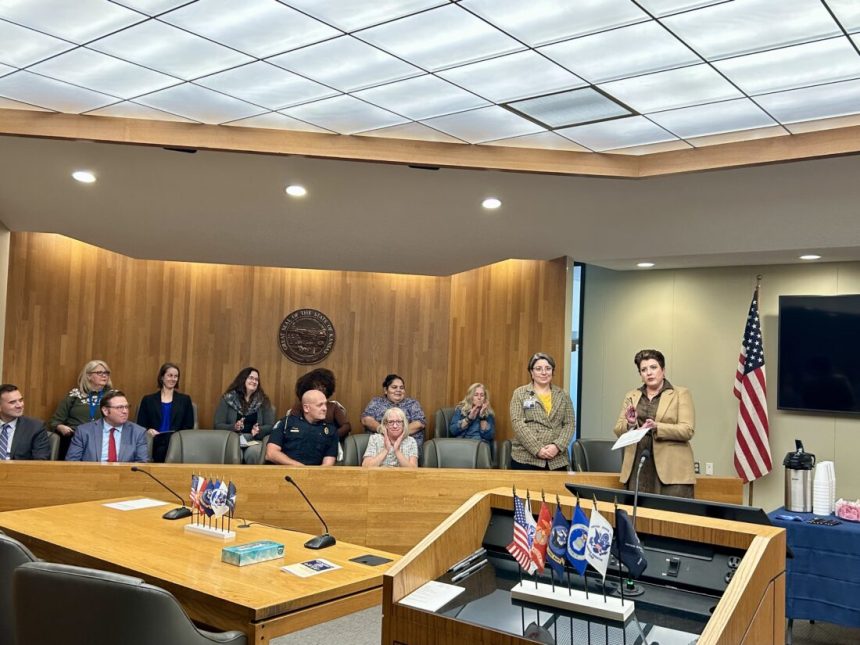
The military can transform a person profoundly. It fosters discipline, courage and sense of purpose. But some fighters return with burdens not so easily seen. Trauma, stress, substance use, and mental health difficulties can affect everyday life long after duty is done. But when such concerns land you in legal hot water, the path to take can seem less clear. That’s what the Veterans Court in Kansas City is for. The Veterans Court is designed to help veterans get through the problems that contributed to their crime, rather than only punish them. “The goal is simple: to promote rehabilitation, reduce recidivism and get people on their feet.”
A Different Kind of Court
Veterans Court is part of the larger Kansas City Specialty Courts system. The courts are aware that many persons come into the legal system because they are coping with more profound personal difficulties. These problems for veterans can include:
- Post-Traumatic Stress
- Depression/Anxiety
- Substance Abuse Disorder
- Difficulty adjusting to civilian life
- housing or employment issues
In a traditional court process the subject is generally the offense itself. Veterans Court considers the full person. That makes a difference. Participants don’t work through the system on their own but are encouraged, coached and held responsible by professionals who understand military culture and the challenges that come with service.
Why Restorative Justice Beats Punishment
Imagine a leaking roof. You can keep capturing the drip in buckets but it won’t matter until the roof gets fixed. Same thing here. If trauma or addiction is left untreated, and it results in criminal behavior, the only way to effect meaningful change is to address the root causes. Veterans Court is focused on healing and personal growth, but it does not excuse participants from their behavior. This balance helps folks to genuinely go on, not just serve their time and be back in the same spot down the line.
The Power of Responsibility and Structure
Recovery is not usually a one-day affair. Veterans Court offers a structured setting that participants understand what to expect. They do things like go to court, meet treatment goals, comply with mandatory drug testing and stay linked to support programs. At first, it sounds demanding. And it is in many ways. But many veterans do well with structure, because it resembles some aspects of their military experience. Many people say that clear goals, ongoing monitoring and regular check-ins are beneficial in maintaining focus on recovery. Small victories start to pile up. A good week becomes a month. One month becomes a year. That’s how change starts in the long run.
Mentors That Know The Way
One of the most essential components of Veterans Court is peer mentoring. Participants are typically paired with other vets who donate their time and assistance. These mentors have military experiences others may not comprehend. Sometimes, a discussion with somebody who’s done it can make all the difference. A mentor can:
- When things go wrong, cheer up.
- Practical tips
- Involve Participants
- Build Connection And Trust
You know? (laughs) Recovery may be a very lonely thing. Having another veteran stroll by you helps to relieve that solitude.
Building Stability Beyond the Court
Recovery from addiction is a process and treatment alone doesn’t do it. People need strong roots. Veterans Court connects members to services that help with day-to-day living. These options may include support with job, housing, counseling, educational programs and health care. And not just to avoid any legal issues. The goal is to live a life worth living. The chances of permanent success are greatly increased by living in a safe environment, having meaningful employment, and getting help.
Mental Health Issues: Dealing With
Many veterans carry invisible wounds. Conditions including PTSD, depression and anxiety can affect relationships, job and decision making. If not managed, these challenges can get bigger over time. Veterans Court offers treatment through counseling, therapy and other recognized methods. They will learn healthy coping skills and tools to effectively cope with stress. This is important as rehabilitation is not about pretending that problems do not exist. It’s learning how to manage with them in healthier ways.
Stronger Families. Stronger Communities.
The benefits of Veterans Court extend far beyond the individual participants. Many veterans in recovery say their families are better off. Relationships improve. Trust begins to be rebuilt. Communication becomes better. Communities win as well. Less repeat offenses ( lower recidivism ) . More veterans are becoming involved members of their communities and finding steady employment. It is a ripple effect. One person can become well and affect the lives of many others.
Kansas City Specialty Courts: What They Do
The Veterans Court is under the umbrella of the Kansas City Specialty Courts. These programs are more focused on treatment and accountability than traditional sanctions, and on long term success. Organizations like Beyond the Bench KC are helping to bring attention to these courts and their purpose. They are dedicated to the core causes of criminal behavior, and encouraging constructive change in the community. Their work reminds us of an important truth: justice and healing may go hand in hand.
Looking forward to a better tomorrow
Recovery isn’t normally a straight line. There are failures. Fights. Hard days. But Veterans Court provides what many participants need: a clear path forward. Using treatment, mentorship, accountability and community support to provide veterans the opportunity to rebuild their lives and create sustainable change. For many of the participants the program is more than just a judicial action. It’s a milestone. That’s why Veterans Court in Kansas City remains such an important element of advancing long-term recovery, stronger families and safer communities.
Frequently Asked Questions FAQs
1. What is Veterans Court in Kansas City?
Veterans Court is a unique court program for qualifying veterans who are in the criminal justice system. “It integrates responsibility with treatment and support services to address issues that may contribute to criminal behavior.”
2. Who Is Eligible for Veterans Court?
Eligibility is based on a number of factors, such as the individual’s military service history, the nature of the offense, and the court’s requirements. Each case is reviewed on its own merits to determine suitability of the program.
3. How can Veterans Court help veterans to recover long term?
The program connects participants with treatment providers, peer mentors, counseling and community services. These supports help veterans overcome underlying difficulties and build healthy lifestyles.
4. What is the role of veteran mentors?
Experienced mentors provide guidance, encouragement and support throughout the program. Shared military experience creates trust and increases participant involvement.
5. How does the Veterans Court benefit the community?
“Veterans Court lowers recidivism, supports recovery, keeps families together, and enhances public safety. The effort aims to address core problems to build healthier and more stable communities.