



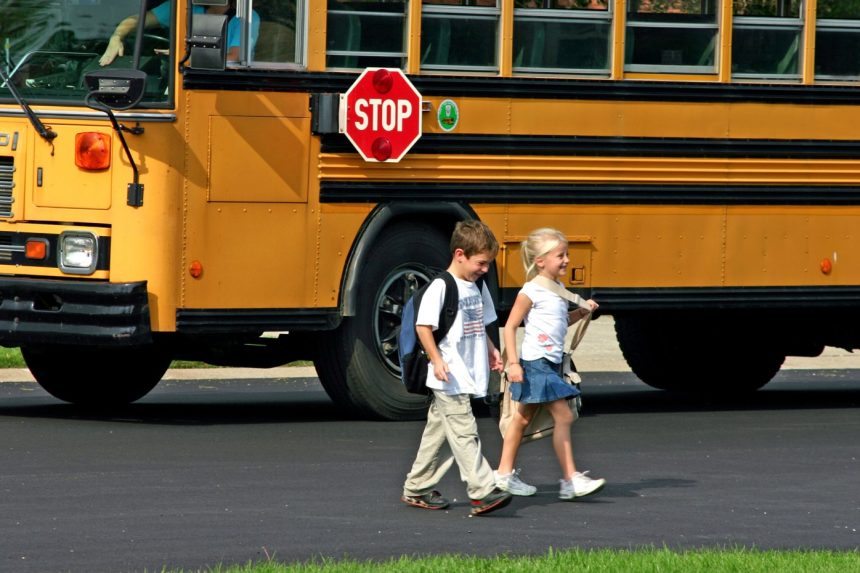
Millions of kids wait at the curb for their school bus every weekday morning. It’s a daily routine that feels familiar and safe. Still, unfortunately, a lawyer for pedestrian accident gives a chilling reminder that the roadside isn’t always as secure as we’d like to believe. Inattentive drivers, rushed commutes, and limited visibility can all create a dangerous environment for children waiting for their ride to school. While school buses are among the safest modes of transport, the moments before getting on or after stepping off can be surprisingly risky. Thankfully, with some proactive planning and smart habits, you can greatly reduce the chances of your child being sideswiped or hurt while waiting for the bus.
1. Pick the Right Bus Stop Spot
Start by evaluating the location. If your assigned bus stop is on a busy road or lacks a safe shoulder, speak with your school district about alternatives. Ideally, a good bus stop location should have:
- A wide shoulder or sidewalk
- Clear visibility in both directions
- Minimal traffic during pickup and drop-off times
If relocation isn’t possible, accompany your child to the stop and stand with them at a safer distance from the road, preferably on grass or well off the curb. Even moving back just a few feet can make a big difference.
2. Teach the “Three Giant Steps” Rule
This is a simple rule your child can remember: Always take three giant steps away from the curb while waiting for the bus. This distance gives drivers a clearer view of your child and creates a safer buffer zone if a car veers too close to the edge of the road. Practice this rule together to make it a habit, especially with younger kids.
3. Bright is Best: Dress for Visibility
In early morning hours or on overcast days, visibility or being easily spotted is everything. Dress your child in bright or reflective clothing. Fluorescent colors like neon yellow, orange, or green are easy to spot, even in low light. Reflective armbands, backpacks with reflective patches, or clip-on LED lights can make your child more visible to oncoming vehicles.
4. Arrive Early And Stay Alert
Rushing to catch the bus can lead to poor decisions. Ensure your child gets to the stop five minutes early so they’re not tempted to run into the street or dart in front of cars. Encourage calm, alert waiting—no horseplay near the curb or walking with headphones in. The goal is to stay aware of surroundings at all times.
5. Model Safe Behavior
Children learn best by example. If you walk your child to the bus stop, always stand a few steps back from the curb yourself. Avoid distractions like your phone and talk with your child about watching for approaching cars, even when the bus has flashing lights. Show them how to wait patiently and cross only when the bus driver signals it’s safe.
6. Set Up a Safety Circle
Explain an invisible “safety circle” around the bus—a 10-foot perimeter in all directions. Your child should never cross into this zone unless boarding or exiting, and the bus completely stops. The front of the bus is especially dangerous due to blind spots, so emphasize making eye contact with the driver before crossing in front.
7. Talk About the Unexpected
Sometimes, a car might ignore the flashing stop sign on a bus. While that’s illegal, it still happens. Teach your child to pause, look both ways, and never assume a car will stop just because the law says it should. Practicing “what if” scenarios can help them respond calmly in unexpected situations.
8. Get to Know the Community
If your child is older and waiting alone or with friends, consider organizing a neighborhood “bus stop buddy” system. Adults taking turns supervising or even just looking out from a nearby window can add an extra layer of safety. A familiar face watching out can mean a faster response if something seems off.
Final Thoughts
Keeping your child safe at the bus stop requires more than just trusting the system—it takes awareness, education, and a bit of creativity. With a few thoughtful habits and clear family rules, you can transform a potentially hazardous daily routine into a safe and confident experience for your child. Still, accidents can happen—sometimes due to reckless or distracted drivers. If your child is ever injured in a school bus stop incident, don’t try to navigate the aftermath alone. Speaking with a lawyer for pedestrian accident can help you understand your rights, hold the responsible party accountable, and get the support your family deserves.