



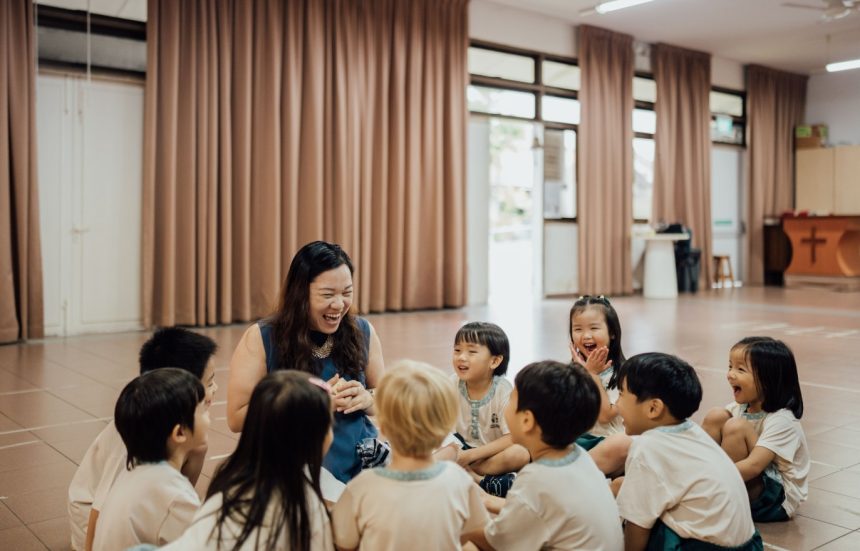
Parents in Singapore want a safe and supportive start for their children. Early learning spaces shape how children think, interact, and adapt to structured routines. A thoughtful choice helps children feel secure and ready for future academic steps.
Families exploring a pre school in Singapore often look for environments that balance care, learning, and comfort. Singapore offers many options, so knowing what features matter most helps parents choose the right fit for their child’s early years.
1. Clear Curriculum and Learning Approach
A strong curriculum gives children a clear path for development. Parents should review how lessons are structured and what goals each stage supports. Some centers focus on academic basics, while others support creative learning. A balanced approach works best for young children. Programs across Singapore often combine structured lessons with interactive activities. This keeps children engaged without pressure. Parents should check if the curriculum matches their expectations. A clear plan ensures that children gain useful skills while enjoying their time in the classroom.
2. Qualified and Supportive Teaching Staff
Top pre school in singapore in shaping a child’s experience. Parents should check teacher qualifications and teaching style before making a choice. A supportive teacher creates a safe and comfortable environment for children. Strong communication between teachers and children helps build trust. Centers across Singapore usually focus on trained educators who understand early childhood needs. Parents can observe how teachers interact during visits. A calm and encouraging approach helps children feel confident and ready to learn new skills.
3. Safe and Child-Friendly Environment
Safety remains a top priority for every parent. A well-designed space helps children move freely without risk. Parents should check safety measures, cleanliness, and supervision levels. A secure environment builds trust and allows children to explore comfortably. Learning spaces in Singapore follow clear safety standards, which adds reassurance for families. Parents should also look at how spaces are organized for activities. Bright, clean, and well-arranged classrooms support both learning and comfort for young children.
4. Balanced Daily Routine for Children
A structured routine helps children feel secure and organized. Parents should review how the day is planned in each center. A good routine includes learning time, play sessions, and rest periods. This balance prevents stress and keeps children active throughout the day. Many centers in Singapore design schedules that suit young learners. Parents can request a sample routine to understand how time is managed. A well-balanced day supports both physical and mental development in early years.
5. Focus on Social and Emotional Growth
Early education should support more than academic skills. Children need to learn how to express feelings and interact with others. Centers in Singapore focus on building social confidence through group activities. Teachers guide children in sharing, listening, and responding in positive ways. Emotional growth helps children feel secure in new environments. Parents should observe how children interact during visits. A center that supports emotional balance helps children develop strong relationships and confidence.
6. Strong Communication with Parents
Open communication helps parents stay involved in their child’s progress. Many centers provide updates through reports, meetings, or digital tools. Parents should check how often feedback is shared and how detailed it is. Clear communication builds trust between families and educators. It also helps parents support learning at home. Schools across Singapore encourage collaboration between teachers and parents for better outcomes. A center that values communication ensures that children receive consistent support from both school and home.
7. Opportunities for Creative and Physical Activities
Creative and physical activities support overall growth in young children. Centers include art, music, and movement sessions in their programs. These activities help children explore interests and build confidence. Physical play improves coordination and energy levels. Parents should check how often such activities are included. A mix of creative and active sessions keeps children engaged. Centers that support these opportunities allow children to develop skills beyond academics, which is important in the early years.
8. Flexibility and Program Options
Flexibility helps parents choose a program that fits their schedule and their child’s needs. Singapore offers various options, such as half-day and full-day programs. Parents should explore what works best for their routine. A center that provides flexible plans allows families to manage time better. Some parents also look for a top pre school in Singapore that offers different learning approaches. Flexible options ensure that children receive the right support without pressure, making the learning experience more comfortable.
Choosing the right center requires attention to several important features. A pre school in Singapore should provide a safe, supportive, and structured environment for children. Singapore offers many reliable options, so careful evaluation helps parents make informed choices. These early years play a key role in shaping future learning habits. A center that balances care, education, and comfort gives children the confidence they need to grow and succeed in their academic journey.

